




Causes
Causes: what causes it?
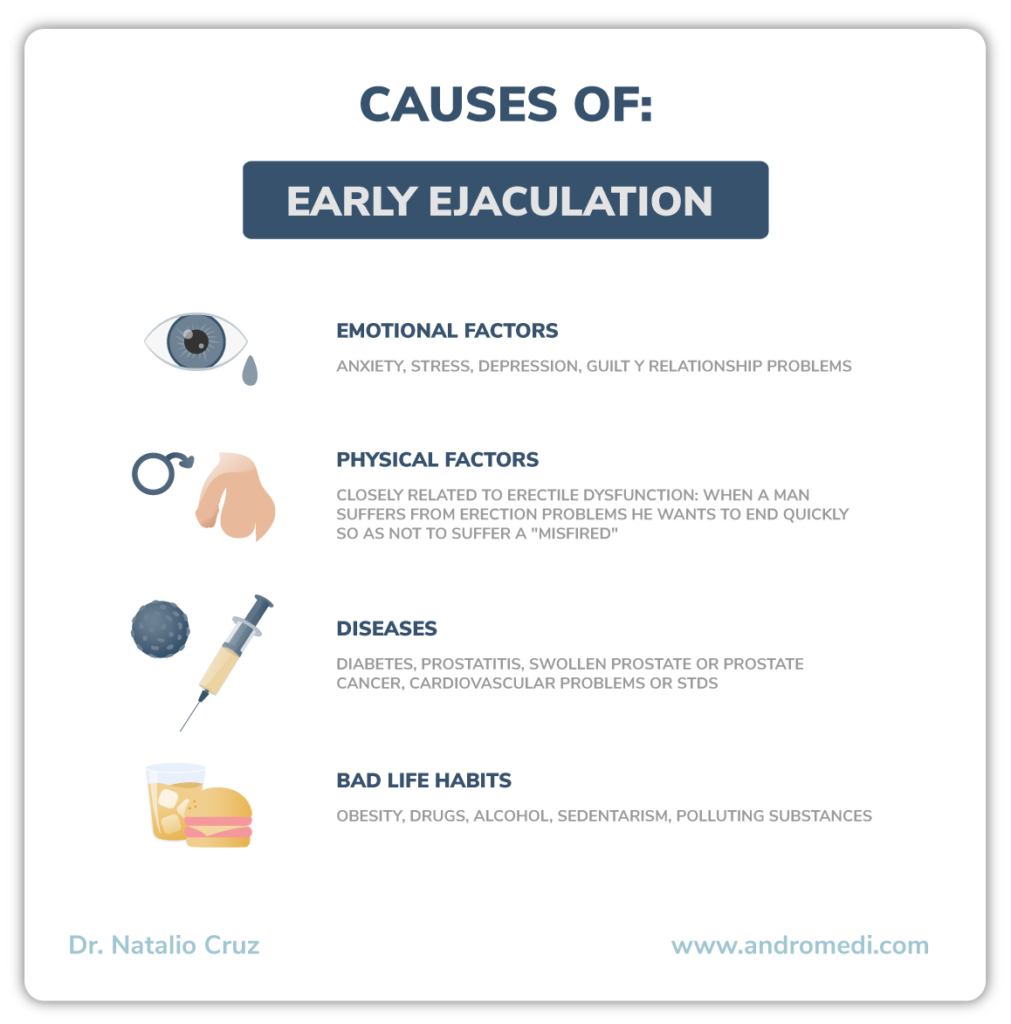
Until a few years ago, it was believed that premature ejaculation was caused only by emotional and mental factors such as anxiety, depression, daily worries, feelings of guilt or insecurity or non-consensual sexual encounters.
However, recent renowned scientific studies have supported the hypothesis that there are also biological factors that bring about the development of this sexual dysfunction in males and examples are:
- Hormonal problems, such as a decrease in serum testosterone or increase in thyroid hormones.
- Prostate problems, such as prostatitis, benign hyperplasia or prostate cancer.
- Hypotonic pelvic floor muscles, when the muscles that support the pelvic area (sphincters, constrictors, perineum, levator ani, among others) are not sufficiently toned and, therefore, have problems withholding the release of semen.
- Recurrent Urinary tract infections
- Genetic predisposition.
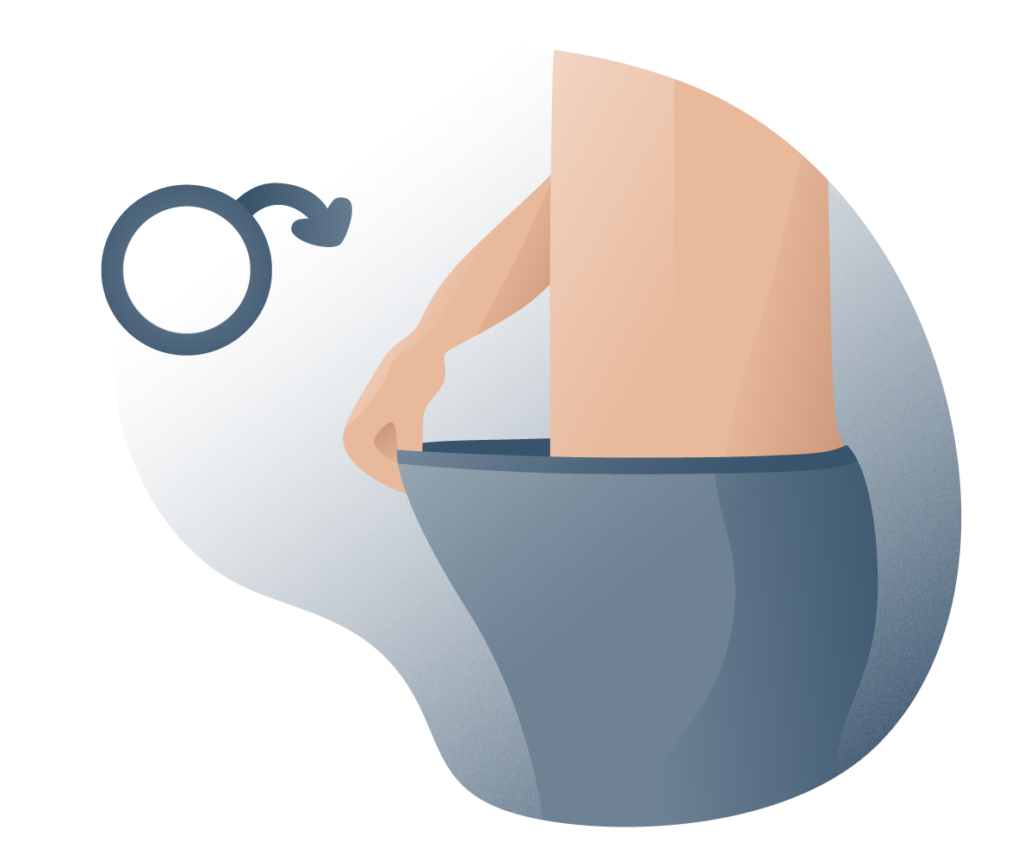
- Overweight and obesity.
It is generally agreed in the scientific world of today that premature ejaculation usually results from a combination of psychological and biological causes. This implies that the treatment must address several aspects of individual and couple life. Erection problems and emotional stress are among the risk factors that accelerate the onset of premature ejaculation.
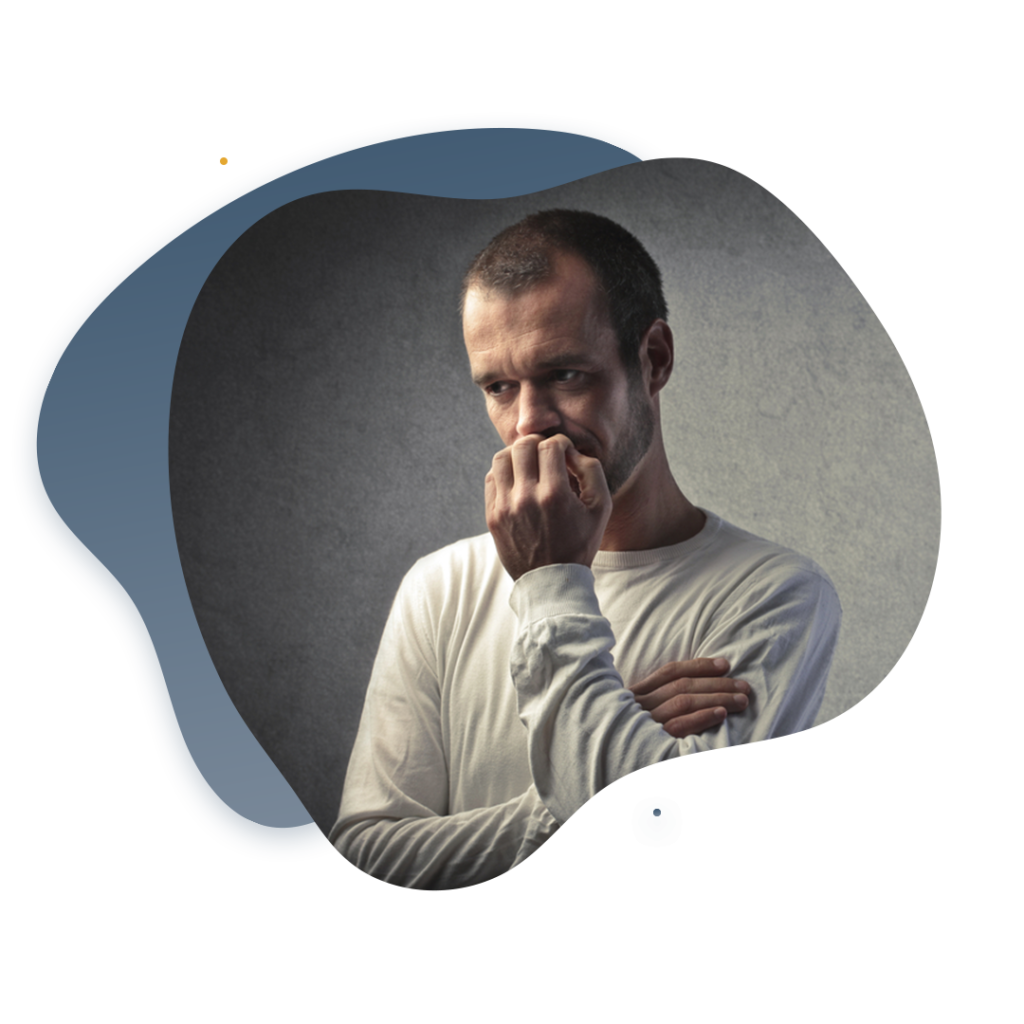



 To say that premature ejaculation has a definitive cure would be quite inaccurate, not only because it usually results from multiple causes (which must be treated individually) but also because the experience is usually as subjective as it is difficult to explain.
 Erectile dysfunction doesn’t necessarily appear with premature ejaculation, although the anxiety and worry from one could lead to the other. The prevalence of this “combined” condition is usually very low, with the treatment even more complex and profound, includingsexual psychotherapy in combination with drugs that delay ejaculattion.

Andromedi pertenece a las organizciones médicas más destacadas en el sector de la Uro-Andrología